
Download a free Electrical Cleaner Aerosol COSHH assessment for documenting the safe use, handling and storage of aerosol electrical contact cleaner in the workplace. This editable COSHH assessment template is designed for electricians, maintenance teams, workshops, garages, facilities departments, engineers, plant rooms, IT support teams, manufacturing areas, depots and contractors where electrical cleaner aerosol is used for cleaning electrical contacts, switches, connectors, relays, circuit components, control panels, terminals or electronic equipment.
Electrical Cleaner Aerosol products are commonly used to remove grease, dust, moisture, oil and contamination from electrical parts and contact surfaces. Because many aerosol contact cleaners contain fast-evaporating solvents and pressurised propellants, they should be assessed carefully under COSHH and, where flammable products are used, considered alongside fire and explosion controls under DSEAR. The assessment should reflect how the product is actually sprayed, where it is used, how ventilation is managed and how ignition sources are controlled.
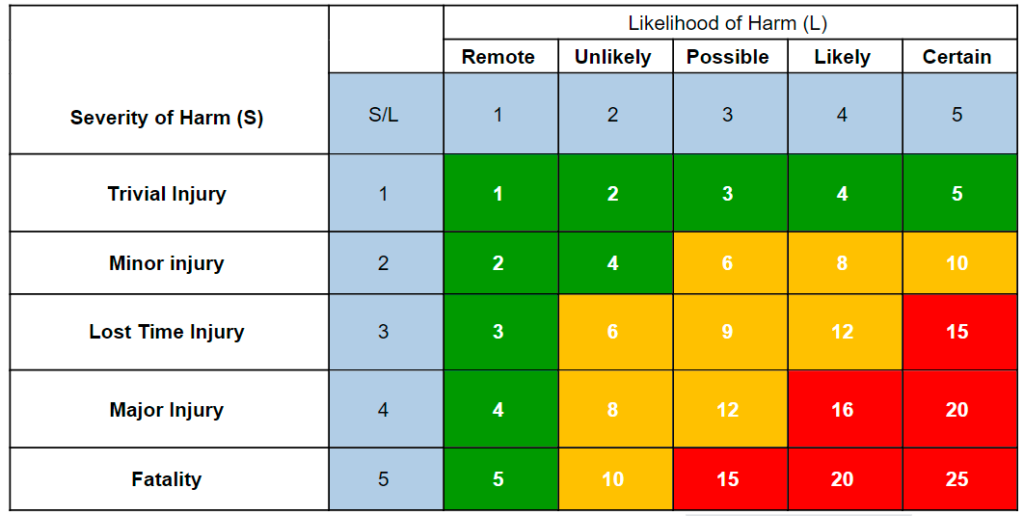
This Electrical Cleaner Aerosol COSHH assessment template helps employers and responsible persons record key product details, intended use, application method, storage arrangements, exposure controls, ventilation requirements, fire precautions, first aid information, spill response, emergency procedures, disposal arrangements, PPE requirements, user instructions and review dates. It provides a practical starting point for workplaces needing an electrical contact cleaner COSHH assessment, aerosol cleaner COSHH template, solvent cleaner COSHH document or free health and safety document template for electrical maintenance chemicals.
Employers have a legal responsibility to assess substances used during work activities and make sure employees, contractors, engineers, apprentices and others are not exposed to unnecessary health and safety risks. Under the Control of Substances Hazardous to Health Regulations 2002, employers must identify hazardous substances, assess how exposure could occur, prevent or adequately control exposure, and provide suitable information, instruction and training. Where aerosol cleaners are flammable or create explosive atmospheres, employers should also consider the Dangerous Substances and Explosive Atmospheres Regulations 2002. These duties sit alongside the wider requirements of the Health and Safety at Work etc. Act 1974 and the Management of Health and Safety at Work Regulations 1999.
For products such as Electrical Cleaner Aerosol, the COSHH assessment should be based on the exact product label and manufacturer’s safety data sheet, as solvent content, flammability classification, propellant type and control measures can vary between brands. The assessment should consider spraying onto electrical parts, use inside panels or enclosed spaces, isolating equipment before cleaning, allowing vapours to disperse before re-energising, avoiding hot surfaces and live equipment, preventing inhalation of vapour or mist, storing aerosol cans away from heat and managing empty or damaged containers safely.
A clear Electrical Cleaner Aerosol COSHH assessment helps demonstrate that electrical cleaning solvents and aerosol products have been properly considered as part of your workplace health and safety arrangements. This is particularly useful for electricians, service engineers, maintenance operatives, workshop supervisors, facilities managers, plant technicians, IT hardware teams and duty holders responsible for chemical storage, electrical maintenance, aerosol controls and contractor safety documentation.
The document can be customised with your company details, site location, product brand, storage area, equipment being cleaned, task description, ventilation arrangements, authorised users, responsible person, control measures, PPE requirements and review date. Once completed, the assessment can be downloaded as a PDF, stored in your compliance records or shared with electricians, engineers, maintenance teams, contractors, apprentices, supervisors and health and safety representatives.
Relevant compliance includes the Control of Substances Hazardous to Health Regulations 2002, Dangerous Substances and Explosive Atmospheres Regulations 2002, Health and Safety at Work etc. Act 1974, Management of Health and Safety at Work Regulations 1999, Provision and Use of Work Equipment Regulations 1998, Electricity at Work Regulations 1989, UK CLP requirements, UK REACH duties where applicable, HSE COSHH guidance and the requirement to use the manufacturer’s safety data sheet when completing a suitable and sufficient assessment.