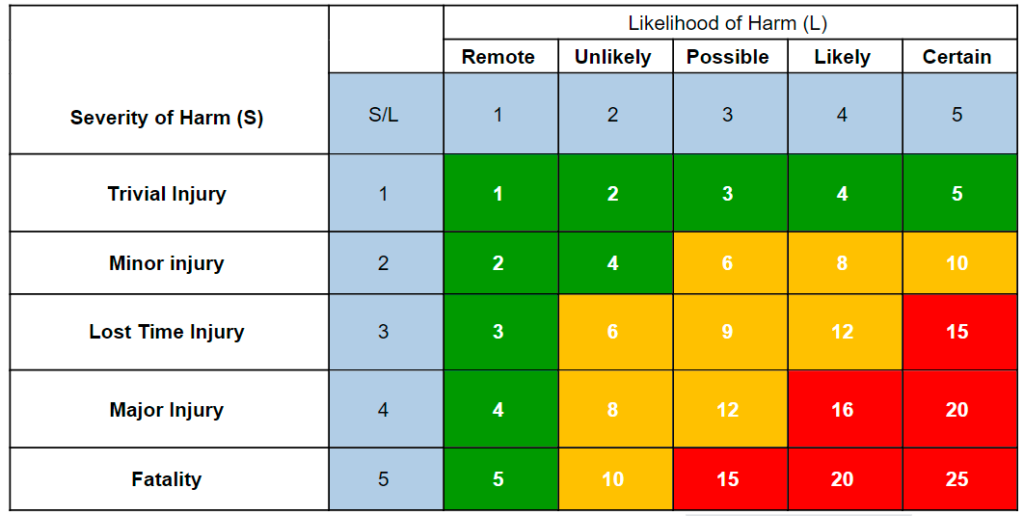

Download a free Diesel Fuel COSHH assessment for documenting the safe use, handling, storage and transfer of Shell FuelSave Diesel in the workplace. This editable COSHH assessment template is designed for garages, workshops, fleet operators, construction sites, depots, transport companies, maintenance teams, agricultural businesses, facilities departments and commercial premises where diesel fuel is used for vehicles, vans, plant, generators, machinery, forklifts, bowsers or diesel-powered equipment.
Shell FuelSave Diesel is a diesel fuel product used for road vehicles and suitable diesel engines as part of normal refuelling and fleet operations. In a workplace setting, diesel may be handled during vehicle refuelling, fuel transfer, storage in tanks or containers, generator refilling, plant maintenance and emergency fuel arrangements. Because diesel fuel can present health, environmental, fire and spill risks, it should be assessed carefully under COSHH and, where relevant, under DSEAR.
This Shell FuelSave Diesel COSHH assessment template helps employers and responsible persons record key product details, intended use, fuel storage arrangements, container or tank type, transfer method, ventilation controls, exposure controls, fire precautions, spill response, emergency procedures, first aid information, disposal arrangements, PPE requirements, user instructions and review dates. It provides a practical starting point for workplaces needing a diesel fuel COSHH assessment, Shell diesel COSHH template, fuel storage COSHH document or free health and safety document template for workplace fuels and oils.
Employers have a legal responsibility to assess hazardous substances and dangerous substances used during work activities and make sure employees, contractors, visitors and others are protected from unnecessary risk. Under the Control of Substances Hazardous to Health Regulations 2002, substances that may affect health must be assessed and controlled where required. Where diesel fuel creates fire, vapour or explosive atmosphere risks, employers should also consider the Dangerous Substances and Explosive Atmospheres Regulations 2002. These duties sit alongside the wider requirements of the Health and Safety at Work etc. Act 1974 and the Management of Health and Safety at Work Regulations 1999.
For products such as Shell FuelSave Diesel, the assessment should reflect the actual workplace activity, including refuelling vehicles or plant, filling portable containers, using bowsers, storing diesel in tanks or drums, preventing overfilling, keeping containers closed, controlling ignition sources, managing vapours, preventing skin contact, dealing with spills and protecting drains, watercourses and ground surfaces from contamination. The assessment should also consider whether diesel is stored indoors, outdoors, in vehicles, in bunded tanks, in portable containers or in larger fuel storage systems.
A clear Diesel Fuel COSHH assessment helps demonstrate that fuel handling, refuelling tasks, diesel storage, spill response and fire precautions have been properly considered as part of your workplace health and safety arrangements. This is particularly useful for fleet managers, mechanics, drivers, plant operators, grounds maintenance teams, agricultural workers, depot supervisors, facilities teams and duty holders responsible for fuel storage, environmental controls, vehicle refuelling, contractor safety and workplace safety documentation.
The document can be customised with your company details, site location, product supplier, fuel storage area, tank or container type, quantity stored, equipment being refuelled, transfer method, bunding or secondary containment arrangements, spill kit location, fire controls, responsible person, PPE requirements, control measures and review date. Once completed, the assessment can be downloaded as a PDF, stored in your compliance records or shared with employees, drivers, contractors, workshop staff, plant operators, supervisors and health and safety representatives.
Relevant compliance includes the Control of Substances Hazardous to Health Regulations 2002, Dangerous Substances and Explosive Atmospheres Regulations 2002, Control of Pollution (Oil Storage) (England) Regulations 2001, Health and Safety at Work etc. Act 1974, Management of Health and Safety at Work Regulations 1999, Provision and Use of Work Equipment Regulations 1998, UK CLP requirements, UK REACH duties where applicable, HSE COSHH guidance, HSE DSEAR guidance, HSE flammable liquids guidance, GOV.UK oil storage guidance and the requirement to use the manufacturer’s safety data sheet when completing a suitable and sufficient assessment.